Life with depression is usually anything but “fine.” So why are we saying we are? If you’ve ever shared a meme in the group chat instead of admitting you’re still not okay, you’re not alone. And if you’ve ever felt unsure or stuck on your mental health journey, you’re in the right place.
How are you really feeling?
Take a moment to check in with yourself. There's no right or wrong way to answer these self-reflection questions.

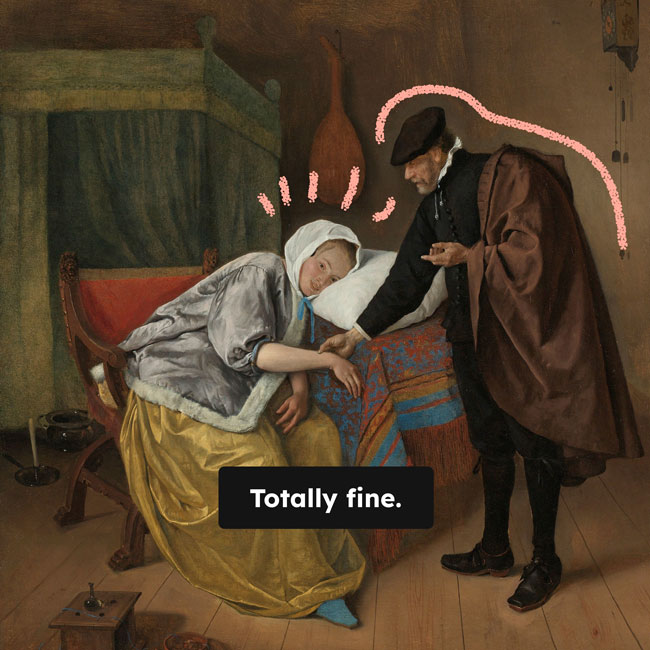

Move beyond “fine” with your care team
Sometimes it’s hard to explain how you’re really feeling. This check-in guide is designed to help you reflect, organize your thoughts and start a more meaningful conversation with your care team.
Use it to put your experience into words, capture what feels most important, and feel more confident bringing your feelings to your next appointment or conversation.

Up Next

Join Generation Fine to See Our Next Episode
Coming soon! Don’t miss more real stories, practical considerations and support from our community members. Sign up today to have the latest updates and exclusive content sent right to you.
So, How Are You Really Doing?
“Fine” might keep the questions away—and sharing an ironic meme on social media may be an easy way to express what we struggle to say out loud. But this is a place for real talk. Maybe your treatment plan is helping, but you’re still dealing with ongoing depression symptoms. Generation Fine is here to empower you to stop settling for “fine” and take the first step beyond “good enough” by talking with your healthcare provider.
Voices of Generation Fine



Ren Fernandez-Kim
Patient advocate living with depression, turning to art to help navigate their diagnosis
As someone living with depression, I know it looks and feels different for everyone. It’s not one-size-fits-all, so treatment shouldn’t be either. But trust me, being ‘fine’ isn’t worth settling for—if you have depression, you deserve more than ‘fine.’

Roshini Cope
Certified life coach and content creator, finding balance while living with major depressive disorder
My symptoms and my story are mine, and that uniqueness matters. I want others walking through depression to know: you don’t have to settle for just ‘fine.’ With the right support and treatment, you can reach a point where all or most of your symptoms are gone. Because ‘fine’ isn’t the finish line.

Jessi Gold, MD, MS
Psychiatrist, author of ‘How Do You Feel?,’ working to de-stigmatize mental health
It's possible to feel more than ‘fine.’ I hope you feel empowered to talk to your doctor—because we don't know unless you tell us. And trust me, we want you to feel more than ‘fine,’ too.

Kojo Sarfo, DNP, PMHNP-BC
Author of ‘Feeling Good,’ bringing humor and transparency to mental health through social media
When my patients say they’re ‘fine,’ it’s often a signal of not being completely satisfied with their current care plan. They’re overwhelmed, emotionally spent and stuck in a place where ‘fine’ feels like the most they can manage. That's why being open and honest with your healthcare provider is so important—so we can work together to help them move beyond ‘good enough.’

Kati Morton, LMFT
Licensed therapist, author of ‘Why Do I Keep Doing This?,’ living with depression herself while empowering others
When ‘I’m fine’ becomes your go-to answer, it can be hard to notice how you really feel. Early on in my depression treatment journey, I felt lethargic, anxious and unsure if things would ever get better. Opening up to my doctor—and being honest with myself—made a world of difference. Even when it feels uncomfortable, talking about how you truly feel can help you realize that ‘fine’ isn’t—and shouldn’t be—the standard.
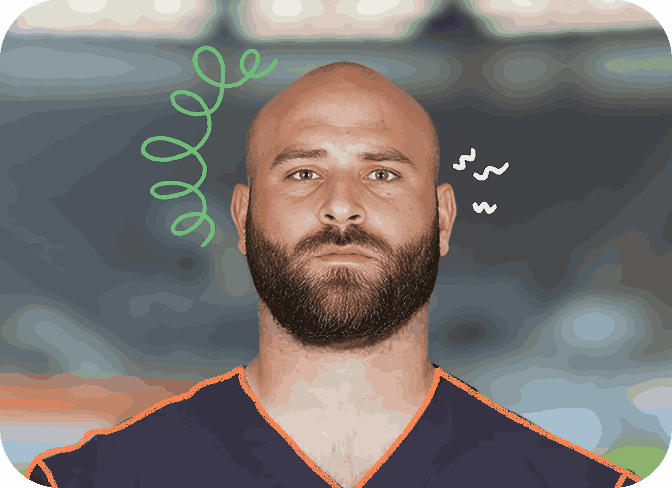
Kyle Long
NFL Alum and Former Chicago Bears Offensive Lineman, tackling depression on and off the field
In football, you're taught to push through everything—the pain, the doubt, the fear. That mindset served me on the field, but my mental health was a different story. For years, I pushed through my depression the same way, assuming no one else was having feelings like mine. The game changer for me was when I stopped trying to fight it alone and started being honest with myself and my support system, including my doctor. Strength isn’t staying quiet—it’s speaking up and deciding ‘fine’ isn’t good enough.
All content creators and mental health advocates were compensated by Johnson & Johnson for their time to contribute to this content.

